Short answer: If your pipes freeze, turn off the stop tap, open the affected tap so water can escape as it thaws, and warm the frozen section slowly with a hot water bottle or warm towels. Never use a flame. Once it thaws, run a dry cloth along the pipe to check for leaks before turning the water back on.
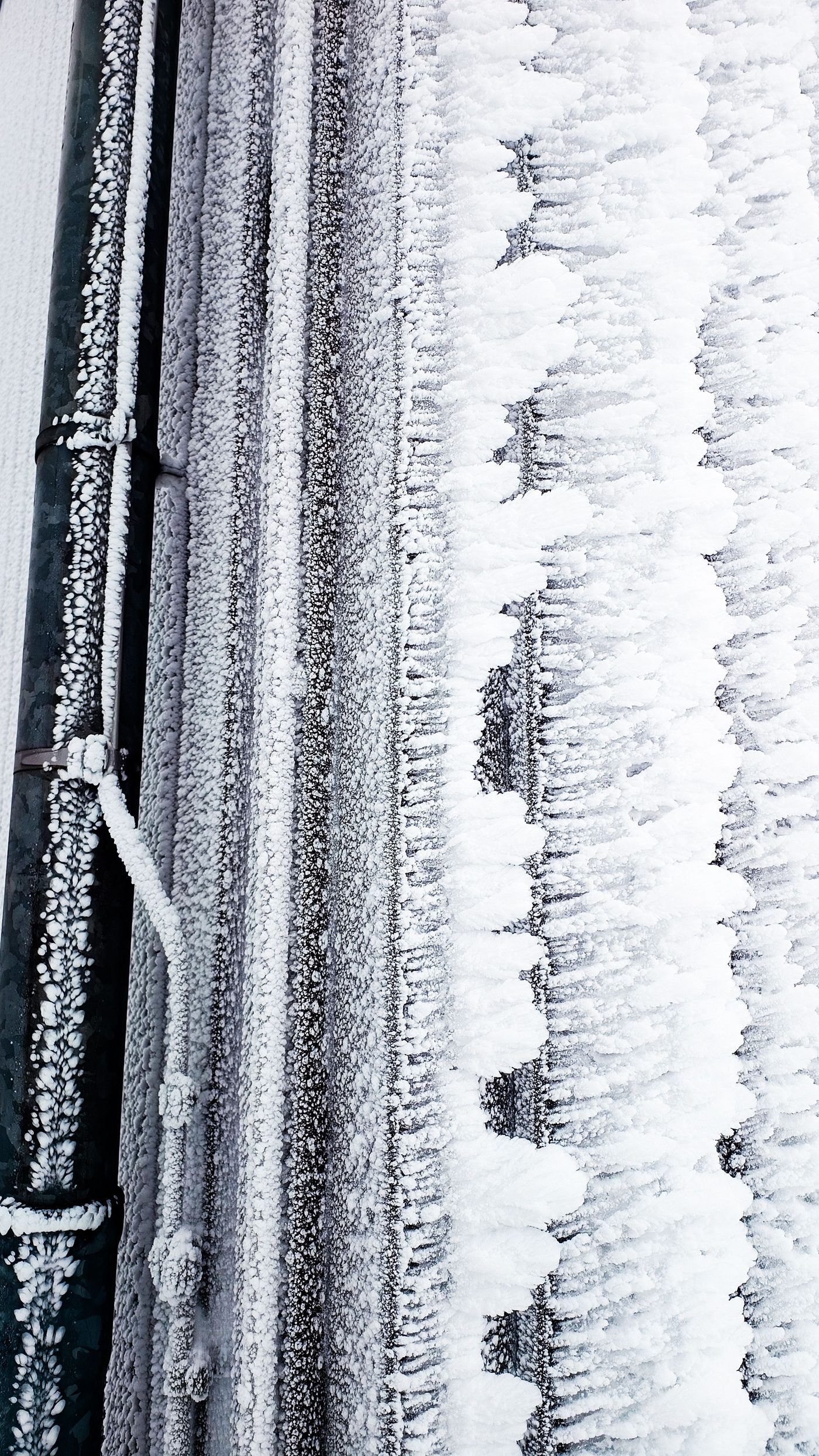
London is usually milder than the rest of the UK, so a hard frost catches many homes off guard. When temperatures stay below freezing for a few nights, pipes in cold spots can freeze solid. The real risk is not the freeze itself but the thaw. Ice expands, pipes split, and when the ice melts the water pours out.
In January 2026, Thames Water said it was carrying out over 100 repairs a day linked to the cold weather. It warned that leaks often appear during a thaw as water finds its way through any damage.
Signs a pipe is frozen
- A tap slows to a trickle or stops, while others still run.
- The toilet cistern will not refill.
- You can see frost on a pipe.
- A condensing boiler shows a fault and will not fire up.
- The outside tap will not run.
Where to look
Thames Water says pipes leading to outside taps, in unheated lofts, garages and utility rooms, or running alongside cold exterior walls are particularly vulnerable. In London homes, check:
| Place | Why it freezes |
|---|---|
| Loft | Unheated, often with a cold water tank and pipes |
| Under suspended timber floors | Air bricks let cold air flow under the boards |
| Kitchen and bathroom outside walls | Pipes inside cold walls or boxing |
| Back additions and side returns | Thin walls, often extended kitchens |
| Outside taps | Fully exposed |
| Boiler condensate pipe | Small plastic pipe running outside |
Greenwich houses and the cold
Greenwich has more houses than most inner London boroughs. In the 2021 Census, 26.7% of households lived in terraced houses and 21.7% in detached or semi detached homes (Nomis, TS044). Victorian terraces in Charlton and East Greenwich, and older houses around Blackheath, often have lofts with tanks, suspended floors and pipes on outside walls. Those are exactly the places pipes freeze.
How to thaw a frozen pipe safely
These are the steps Thames Water gives, with a little more detail.
- Turn off the stop tap. It is usually under the kitchen sink. Turn it clockwise. This stops water pouring out if the pipe has split.
- Open the tap fed by the frozen pipe. As the ice melts, water can escape and you will see when it starts to flow.
- Take off lagging from the frozen section and move anything you want to keep dry.
- Warm the pipe slowly. Use a wrapped hot water bottle or warm towels. Start at the tap end and work back towards the frozen section.
- Never use a naked flame, blowtorch or heat gun. In older houses, pipes run near timber joists, lath and plaster and loft insulation. A flame can start a fire you cannot see.
Check before you turn the water back on
Once the pipe has thawed, Thames Water suggests running a dry cloth along it. If the cloth gets wet, watch for a few minutes. If water keeps escaping, you have a leak, and you should leave the water off until it is fixed.
If the pipe is dry, turn the stop tap back on slowly and watch the pipe and any joints. Check the ceiling below a loft pipe for any new damp over the next day.
Frozen boiler condensate pipe
Modern condensing boilers have a plastic condensate pipe that takes waste water away, often to an outside drain. If it freezes, the boiler can lock out with a fault code. Pouring warm water, not boiling, over the outside section can thaw it. Then reset the boiler using the maker’s instructions.
If the boiler still will not work, or you need anything done on the boiler itself, that is a job for a Gas Safe registered engineer. Gas work must be done by someone on the Gas Safe Register. Ask to see their ID card.
If a pipe has burst
If you find water pouring from a split pipe:
- Keep the stop tap off.
- Switch off the electrics at the consumer unit if water is near sockets or lights, and only if you can reach it safely.
- Turn off the boiler, then open all the taps to drain the system, as Thames Water advises.
- Soak up the water with towels and move belongings.
- Check your home insurance cover and call a plumber.
Our guide to a burst pipe in a flat has more detail, and our frozen pipes page explains what a plumber does on the visit.
After the cold snap
Once the thaw is over, walk round the cold spots again. Look in the loft, under the sinks and at the ceilings below any pipes that froze. A small crack can weep slowly for days before anyone notices. When you are ready, our guide on how to prevent frozen pipes covers lagging and getting your home ready before the next one.
Quick questions
How do I know if a pipe is frozen?
Thames Water says frozen pipes often have a light coat of frost on the outside, and water from your taps may slow to a trickle or stop.
How long does it take a frozen pipe to thaw?
It depends on how cold it is and where the pipe is. Gentle warming usually works within an hour or so. Be patient rather than turning up the heat.
What if the pipe has already burst?
Keep the stop tap off, switch off electrics near any water, turn off the boiler, open the taps to drain and call a plumber.
Last updated 23 October 2026. Written for homes in London. Rules can change, so check the linked sources for the latest position.