Short answer: Low water pressure in a London flat is usually caused by a part closed stop tap, a failing building pump or tank on upper floors, an old narrow or lead supply pipe, limescale in valves and shower heads, or a problem on Thames Water's network. Check whether neighbours are affected, then check your own valves.
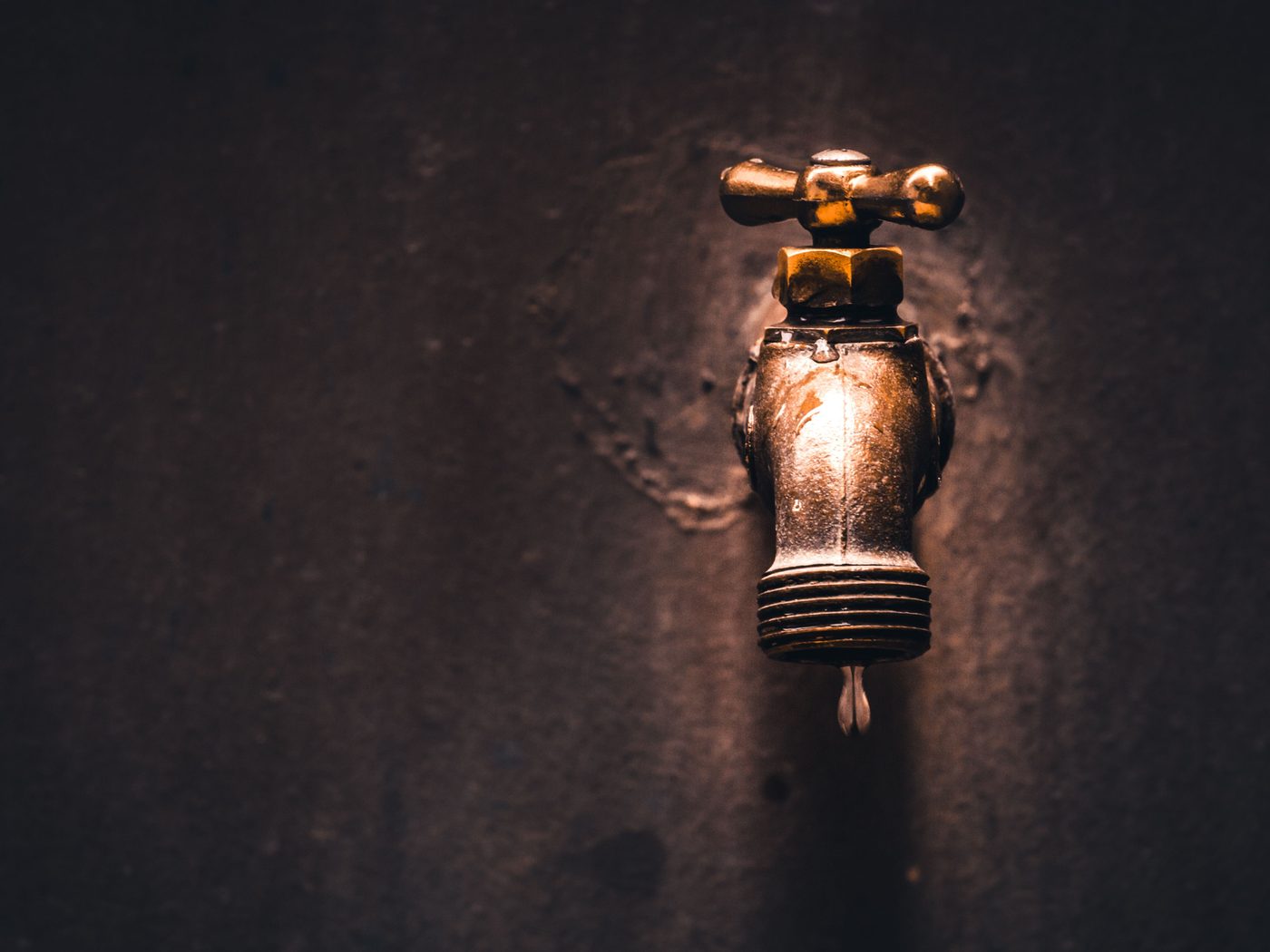
Low water pressure is frustrating rather than dangerous, but it can be a sign of something worth fixing. In London flats, the cause depends a lot on where you live in the building and how old the pipework is.
Is it just you?
Start by asking a neighbour, ideally one on the same floor and one on a different floor.
| Who is affected | Likely cause |
|---|---|
| Whole street | Thames Water network problem or work |
| Whole building | Building supply, main valve or pump |
| Upper floors only | Booster pump or tank, or pressure falling with height |
| Only your flat | Your valve, your pipework or your fittings |
| Only one tap or shower | That fitting or its isolation valve |
What Thames Water should supply
Under the Guaranteed Standards Scheme, Citizens Advice says water companies should usually supply water at a minimum of seven metres static head, unless low pressure is due to drought or essential maintenance. If pressure falls below that for an hour or more on at least two occasions in 28 days, you are entitled to a payment or credit of 25 pounds, once in any financial year.
Citizens Advice also notes that low pressure is sometimes caused by the need to replace pipework on your own property, which is your cost, not the water company’s.
After a burst main or works, Thames Water says pressure can take several hours to return, and longer for customers at the top of a hill.
Upper floors in Greenwich blocks
Greenwich has a mix of housing. In the 2021 Census, 43.1% of households lived in purpose built flats (Nomis, TS044), including the newer towers on the Greenwich Peninsula and at the Royal Arsenal in Woolwich, as well as older estates.
In taller blocks, mains pressure cannot reach the top floors on its own. Water is pushed up by a booster pump, or stored in a tank and fed down. If the pump is failing, set wrongly or struggling at busy times, the upper floors notice first: weak showers in the morning, taps that surge and drop, or water that goes off altogether for a while.
These are building systems. Report them to the concierge or managing agent. The Leasehold Advisory Service says the freeholder is usually responsible for communal pipes and tanks that serve more than one flat.
Causes inside your flat
If only your home is affected, these are the usual suspects.
A part closed valve
The most common and easiest cause. After a repair, a stop tap or isolation valve may not have been fully reopened. Check your stop tap is turned fully anticlockwise. Check the small isolation valves under sinks and on pipes to showers.
An old or narrow supply pipe
In older houses split into flats, the supply pipe can be narrow, shared with other flats, or still made of lead. Thames Water says homes built before 1970 may have lead pipes. A long, narrow supply shared between three flats will lose pressure when everyone uses water at once. Our guide to lead pipes in London homes explains the replacement scheme.
Limescale
Thames Water says all the water in its region is hard. Scale builds up in shower heads, tap aerators, thermostatic shower cartridges and the small filters inside some valves. If one shower or tap is weak and the rest are fine, scale is a good bet. Unscrewing and descaling a shower head or aerator is a simple first step.
A hidden leak
A leak on your supply pipe can drop pressure, especially if it is a large one. If your water meter turns with every tap off, you have a leak somewhere.
The way the hot water is fed
Some flats still have a cold water tank in a loft or cupboard feeding the hot water cylinder. That gives low pressure on hot taps compared with cold ones. It is how the system was designed rather than a fault, though it can be changed.
What a plumber can do
A plumber can check and free valves, descale or replace cartridges, find leaks and advise on replacing an old supply pipe. They can measure the pressure and flow at your stop tap, which tells you whether the problem is coming into your flat or happening inside it. If the pressure is already low at the stop tap, the problem is upstream: the building’s supply or Thames Water.
Our no water or no hot water page covers pressure problems that turn into no water at all.
If you rent
Your landlord must keep the installations for the supply of water in repair and proper working order under section 11 of the Landlord and Tenant Act 1985. If pressure is so low that a shower or boiler will not work properly, report it in writing.
Quick questions
What water pressure should Thames Water supply?
Citizens Advice says water companies should usually supply at a minimum of seven metres static head, with compensation if it falls below that repeatedly.
Why is my pressure low only on the hot taps?
On a combi, it may be scale in the part that heats the water. With a cylinder, it may be the way the system is fed, such as a loft tank.
Can a plumber increase my water pressure?
A plumber can fix causes in your own pipework, such as a stuck valve or an old supply pipe. Problems with the mains or building pumps are for Thames Water or the managing agent.
Last updated 23 October 2026. Written for homes in London. Rules can change, so check the linked sources for the latest position.