Short answer: If a pipe bursts in your flat, turn off the stop tap clockwise, or the communal valve if yours does not work. Switch off electrics near the water, turn off the boiler and open the cold taps to drain the pipes. Then contain the water, warn the flat below and call a plumber to repair the pipe.
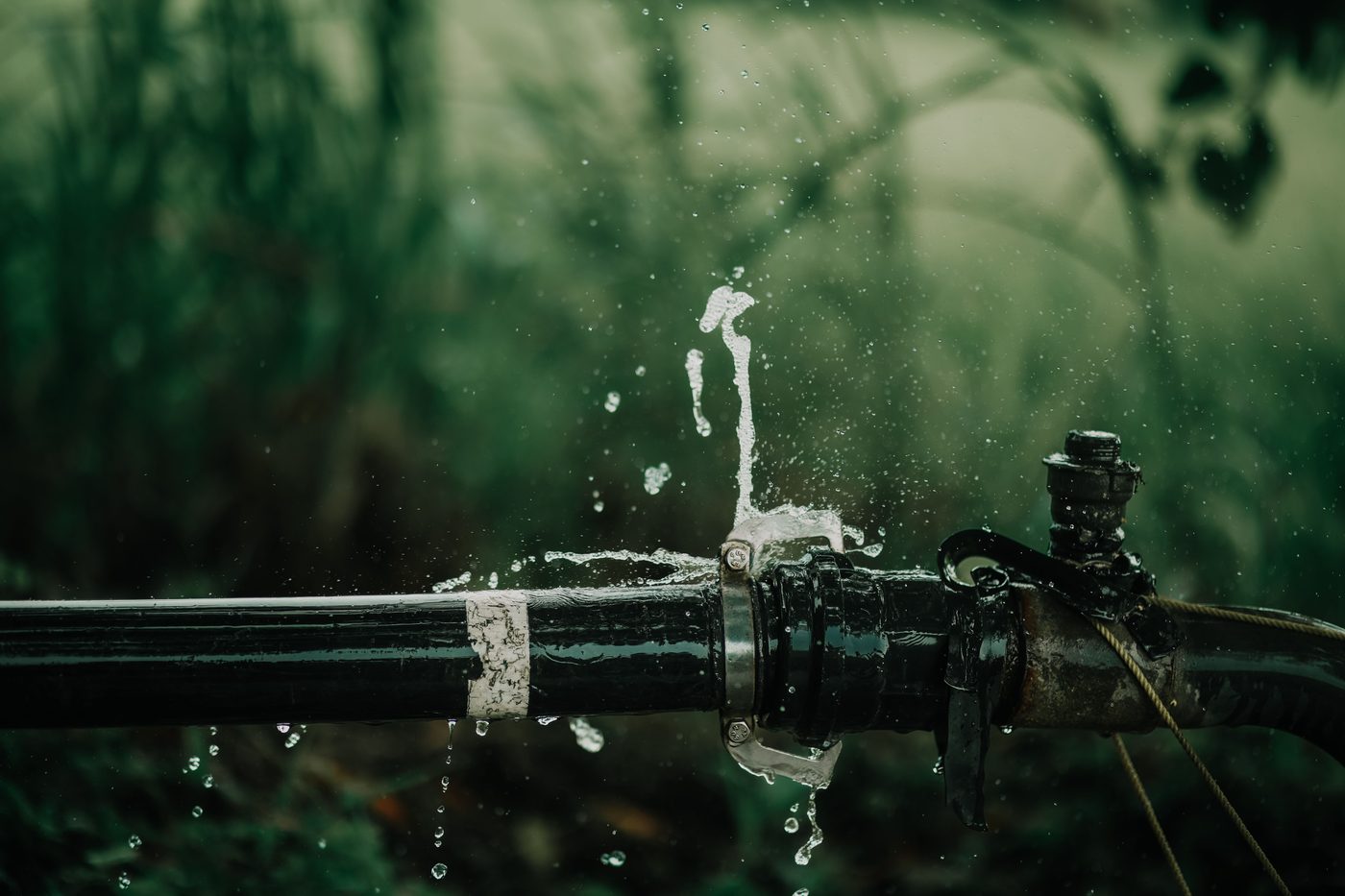
A burst pipe in a flat is a race against the floor. Water does not wait in your bathroom. It runs under the boards and into the ceiling of the flat below, often within minutes. What you do in the first ten minutes decides how much damage there is, and how easy the insurance claim will be afterwards.
This is a step by step guide written for London flats, especially the converted Georgian and Victorian houses that are common in Islington. In the 2021 Census, 21.3% of Islington households lived in part of a converted or shared house, and 57.4% in purpose built flats. Only 12.7% lived in terraced houses. Most people reading this will have someone living below them.
Minute one: stop the water
Turn off your stop tap by turning it clockwise. Thames Water says the inside stop valve is usually where the water pipe enters the home: under the kitchen sink, in an airing cupboard, under the stairs, under floorboards or near the front door.
In a flat, it can be somewhere else entirely. Thames Water notes that flats may have a communal stop valve where the supply enters the building, and sometimes another where the supply enters each flat. In a Barnsbury or Canonbury conversion, the valve for an upper flat may be in the ground floor hallway or the cellar.
If the burst is on a pipe to one fitting, look for a small isolation valve on that pipe. It usually has a slot you turn a quarter turn with a flat screwdriver or a coin. That stops the flow to that fitting without cutting off the whole flat.
If nothing works, the outside stop tap under the cover in the pavement is the last resort. It may need a stopcock key, and if your house is on a shared supply it will turn off your neighbours too.
Minutes two and three: make the electrics safe
If water is near sockets, light fittings or the consumer unit, switch off at the consumer unit, as long as you can reach it without touching anything wet or standing in water. If water is coming through a ceiling light, do not use the switch. If you cannot make it safe, keep clear and call 999.
Minutes three to five: drain the system
Once the water is off at the stop tap, there is still water in the pipes and any cold water tank. Thames Water’s burst pipe advice is to turn off your heating, then open all your taps to drain the system quickly. Turn off the boiler or immersion heater first so it does not run dry. Flushing the toilets also helps empty the cisterns.
Minutes five to ten: contain and warn
- Put towels around the burst and a bucket under it.
- Move furniture, rugs and anything electrical out of the way.
- Take photos of the burst and the damage before you clear up.
- Go downstairs and tell your neighbour. Ask them to check their ceilings and switch off any lights near wet patches.
- Call the managing agent or freeholder if the pipe could be a shared one.
If the burst is coming from the flat above rather than your own pipe, our guide to a leak from the flat above goes through what to do.
Who owns the pipe
This matters for who pays and who arranges the repair. In a flat, there are three possibilities.
| Where the pipe is | Usually responsible |
|---|---|
| Inside your flat, serving only your flat | You, or your landlord if you rent |
| Serving more than one flat, such as a rising main or shared supply | The freeholder, under the lease |
| In the road or pavement, before your boundary | Thames Water |
The Leasehold Advisory Service says each leaseholder is usually responsible for pipes serving their own flat, even if part of the pipe is outside the flat, and the freeholder for communal pipes that serve more than one. Leases vary, so check yours.
If you rent, section 11 of the Landlord and Tenant Act 1985 means your landlord must keep the water supply installations in repair. Tell them straight away, and follow up in writing.
What not to do
- Do not force a stuck stop tap with a long wrench. Old brass valves can snap, which makes things worse.
- Do not turn the water back on to test it. Leave it off until the plumber arrives.
- Do not rely on tape. It can slow a pinhole leak for a short time, but it is not a repair.
- Do not use the light switch in a room where water is coming through the ceiling.
Why pipes burst in Islington flats
The common causes are frost, age and damage. Pipes in unheated lofts, on outside walls and under suspended floors are most at risk in a cold snap. In January 2026, Thames Water said it was carrying out over 100 repairs a day linked to the cold weather, and warned that leaks often appear as pipes thaw.
Age is the other big one in Islington. Many of the converted houses still have sections of old copper or lead pipework, and joints made decades ago eventually fail. When a kitchen or bathroom upstairs is refitted, old pipes below the floor can be knocked or disturbed. A drill or a nail through a floorboard can also split a pipe nobody knew was there.
What the plumber will do
A plumber will check the water is properly off, find the burst, cut out the damaged section and fit new pipe and joints. They will then turn the water back on slowly, check for further leaks and look along the rest of the run for weak spots. Our burst pipe repair page explains the visit in more detail.
Ask for a written note of the cause and the work done. Your insurer, landlord or freeholder will probably want it, and it is far easier to get at the time than weeks later.
Quick questions
My flat does not seem to have a stop tap. What do I do?
In converted houses there may be one valve for the whole building, often in the ground floor hallway, a cellar or under the pavement outside. Look for isolation valves on the pipes near the burst too.
Should I turn the water back on once the leak stops?
No. Leave it off until the pipe has been properly repaired and tested. A taped or clamped pipe can fail again when the pressure comes back.
Who pays to repair a burst pipe in a flat?
A pipe serving only your flat is usually yours, or your landlord's if you rent. A pipe serving several flats is usually the freeholder's. Check your lease.
Last updated 23 October 2026. Written for homes in London. Rules can change, so check the linked sources for the latest position.