Short answer: A stop tap that drips from around the spindle usually has a worn gland or packing, which can often be tightened or repacked. A leak from the body or the joints either side is more serious and usually means replacing the valve. Put a bowl under it, check the drip is not spreading, and get it looked at soon.
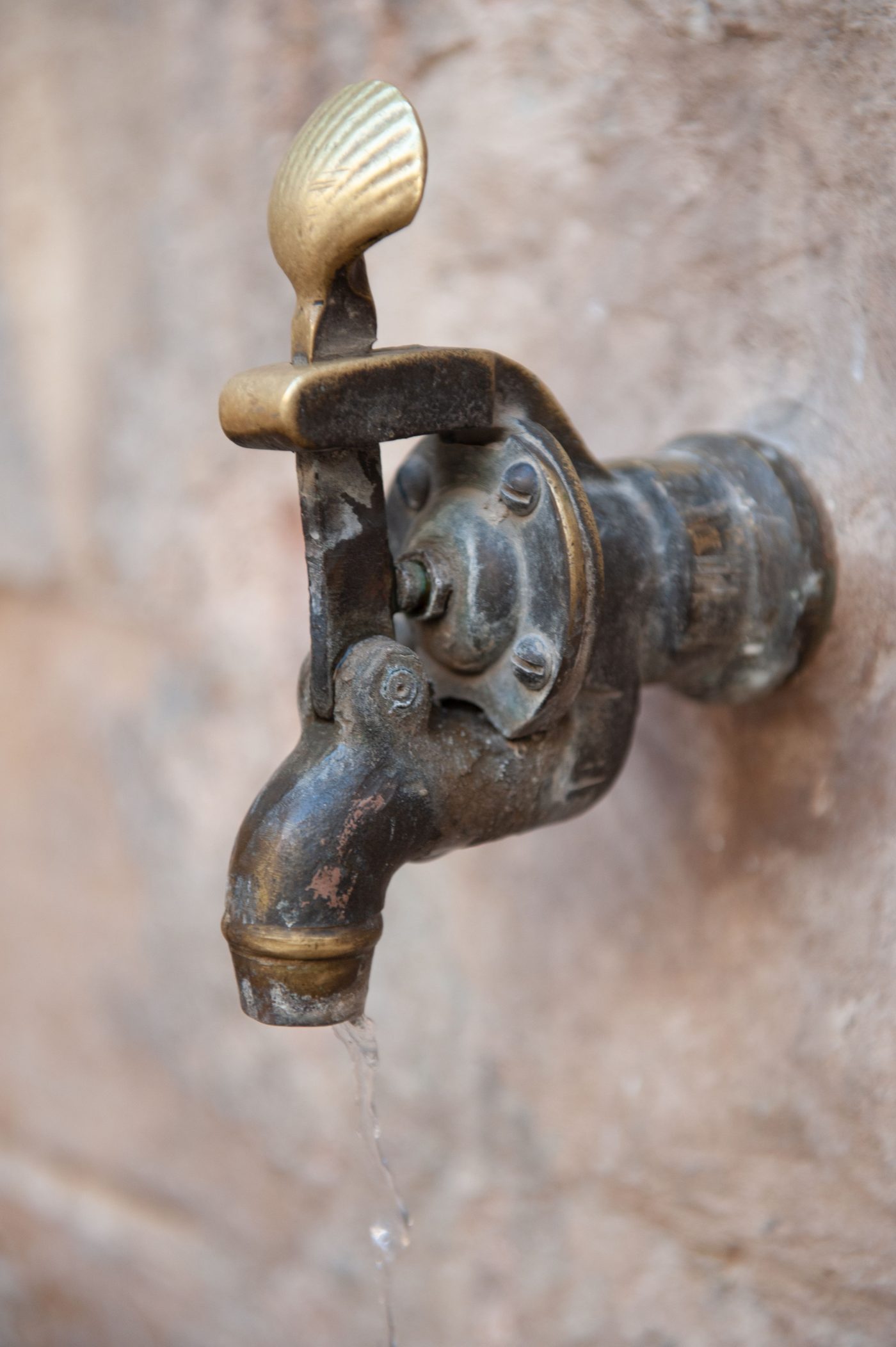
A leaking stop tap is an awkward problem, because the valve you would normally use to stop a leak is the leak. Most of the time it is a slow drip that can be fixed easily. Sometimes it is a sign the valve needs replacing.
Where is it leaking from?
Look closely, with a torch and a dry tissue. Where the tissue gets wet first tells you a lot.
| Where the water is | What it usually means | How urgent |
|---|---|---|
| Around the spindle, under the handle | Worn gland or packing | Usually not urgent |
| From the nut just below the handle | Gland nut loose or packing worn | Usually not urgent |
| From the joints either side of the valve | Compression fitting or soldered joint failing | Soon |
| From the body of the valve itself | Crack or corrosion | Urgent |
| Water on the floor but valve looks dry | Leak on the pipe near the valve, or elsewhere | Find the source |
The gland drip
Old style stop taps have a gland, a nut around the spindle with packing inside that stops water escaping as the spindle turns. Over time the packing dries out or wears. It is very common for a stop tap that has not been used for years to start weeping from the gland as soon as someone turns it.
Often, a small tightening of the gland nut stops it. Use a spanner and turn it a fraction at a time, no more than a quarter turn. If it still drips, the packing needs replacing, which is a quick job for a plumber.
Do not overtighten the gland nut. It can make the spindle stiff, and on an old valve it can strip the thread.
Body and joint leaks
A leak from the joints either side of the stop tap usually means a compression fitting has loosened or its olive, the small brass ring that seals the joint, has worn. It can sometimes be tightened. A leak from the valve body itself often means corrosion or a crack, and the valve needs replacing.
These leaks can get worse quickly, especially if the valve is old. Put a bowl or towel underneath, keep an eye on it and get it seen soon.
Hard water and old valves
Thames Water says all the water in its region is hard. Limescale builds up on spindles and seals, which wears gland packing and makes valves stiff. A stiff valve forced round often leaks afterwards. Our guide to a stop tap that won’t turn explains how to avoid making a seized valve worse.
Brockley and Ladywell conversions
In Lewisham, 16.3% of households live in converted houses, according to the 2021 Census (Nomis, TS044). Many are in the large Victorian houses of the Brockley conservation area and Ladywell, split into three or four flats. Stop taps in these houses are often original or decades old, tucked into cellars, under hall floorboards or under the kitchen sink of the ground floor flat.
If your stop tap is in a cellar or under the floor, a slow leak can go unnoticed for a long time and soak into the timber. If you know where it is, check it every few months.
Turning the water off to fix it
If the stop tap itself is leaking and needs replacing, the water has to be stopped before it.
- Outside stop tap. Thames Water says it is usually under a cover on the path or the road, and should only be used in an emergency. It may need a stopcock key. On a shared supply, it will turn off your neighbours’ water too.
- Communal valve. In a block or conversion, there may be a valve where the supply enters the building.
- Pipe freezing. Thames Water notes that an accredited plumber can freeze a section of pipe to create a temporary ice plug, which lets a valve be changed without turning off the whole supply.
Our guide to stopcock keys and the outside stop tap covers using the outside valve.
Who is responsible
Thames Water says the inside stop valve is in your home, so it is your responsibility to install, maintain, fix and replace. If you rent, the stop tap is part of the water supply installation your landlord must keep in repair under section 11 of the Landlord and Tenant Act 1985. If it is a communal valve in a block, it is usually the freeholder’s.
Replace or repair?
If the valve is old, stiff and leaking, replacing it is usually the better choice. A new stop tap is reliable and easy to turn. If it is in an awkward place, a plumber can move it or fit an extra valve somewhere you can reach. Our stop tap help page explains what is involved.
Once it is fixed, turn it off and on once a month. Thames Water recommends a monthly check, and it keeps the valve and its gland working.
Quick questions
Is a leaking stop tap an emergency?
A slow drip from the spindle usually is not. A steady leak from the body, a cracked valve or water spreading into the floor needs attention urgently.
Why did my stop tap start leaking after I used it?
Turning an old valve can disturb the gland packing around the spindle, so it starts to weep. It often happens when a valve has not been used for years.
Can I turn the water off if the stop tap is the thing leaking?
Use the outside stop tap or a communal valve, and warn neighbours on a shared supply. Then the stop tap can be repaired or replaced.
Last updated 23 October 2026. Written for homes in London. Rules can change, so check the linked sources for the latest position.